
Why does this matter?
Finishing and heat treatment are not afterthoughts. If critical dimensions and contact surfaces are not planned around them, a part that was correct after machining can become nonconforming after the final process.
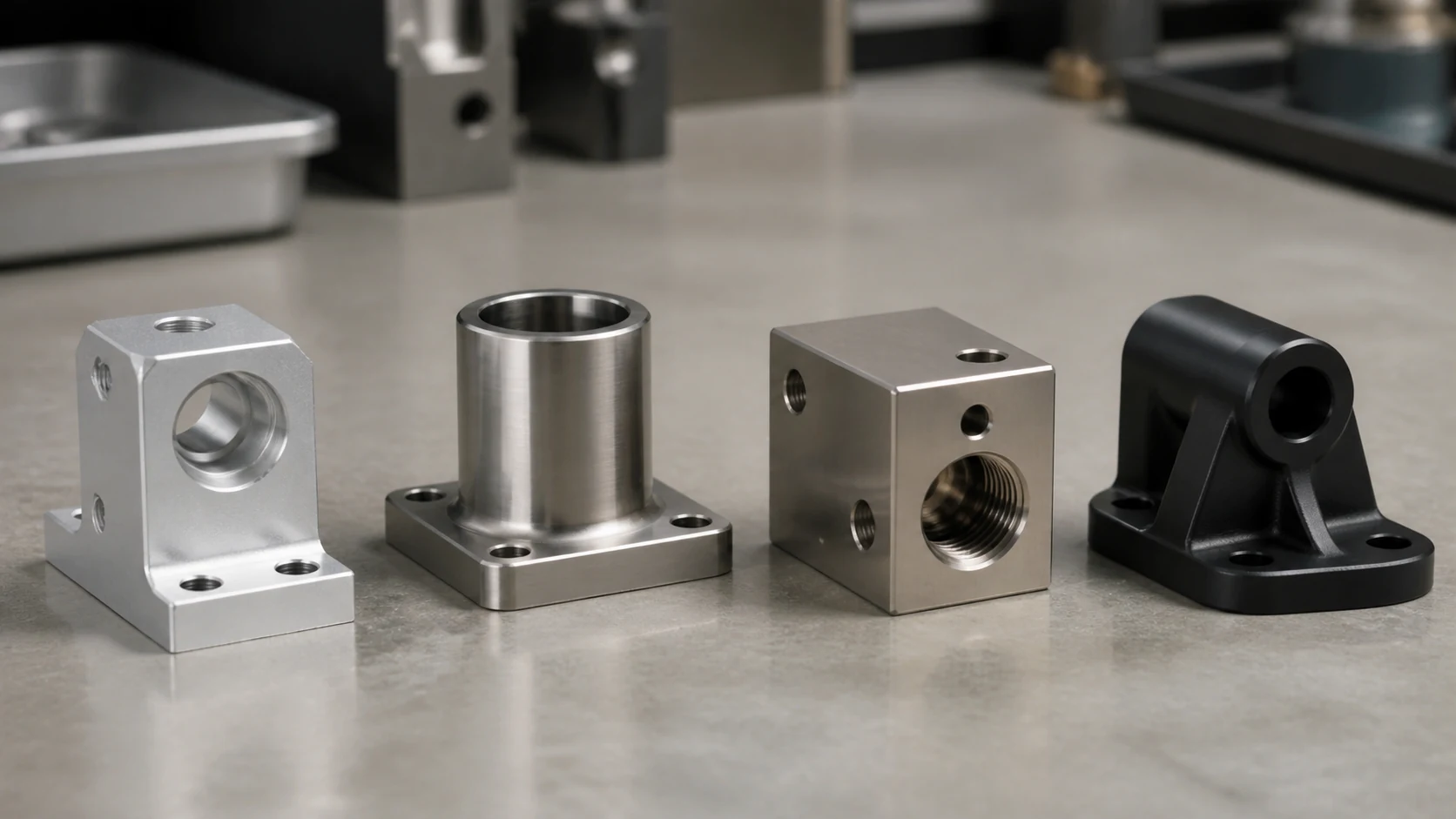
What should you check?
- operating conditions and loads
- corrosion, temperature or wear expectations
- machinability and finishing compatibility
- cost and supply continuity
A practical evaluation sequence
Do not treat finishing as a cosmetic step added after machining. Coating build, masking, contact faces, threads and critical fits should already be considered in the machining plan.
Common mistakes
- Ignoring coating build on critical dimensions
- Discovering masking needs on threads, bearing or electrical contact surfaces too late
- Separating heat-treatment or coating sequence from the inspection plan
Decision rule
Define in advance at which process stage each critical dimension must be valid.
What should you send for evaluation?
- available CAD, drawing or physical sample details
- critical dimensions, tolerances or fit expectations
- material and any finishing/heat-treatment requirement
- target quantity, lead-time expectation and use case
Where can Gizmak help?
We review critical surfaces, dimensions and repeatability alongside the manufacturing method and inspection plan.
Precision machining